
Designs
Protect your design
The design of a product plays a major role in its commercial success. Protecting the look and feel of your product can therefore be a smart decision. And this can be done through design registration.
Design rights: protection against counterfeiting
If you are active in fashion, furniture, jewellery or consumer products or are a designer or product developer you probably have designs or drawings you want to protect against counterfeiting. Examples include the shape of a chair, a unique textile pattern or the specific design of packaging. Design registration gives you exclusive rights to your designs.
Conditions: novel and with individual character
Your design must be novel and original to qualify for protection. Design protection can consist of 3D elements such as the shape or form, or 2D elements such as a drawing or pattern. Keep in mind that design rights are limited in both time and geographical scope.
Registration: procedure and advantages
The application procedure can take several weeks to months, depending on the authority and the country where the registration takes place. Once your design is registered, you benefit from the following advantages:
- Official protection against copies.
- Ability to take legal action in case of infringement.
- Increased credibility and value of your brand.
Discuss whether your design qualifies for protection
During an exploratory meeting, we look at the possibilities together.
News, client cases
and articles
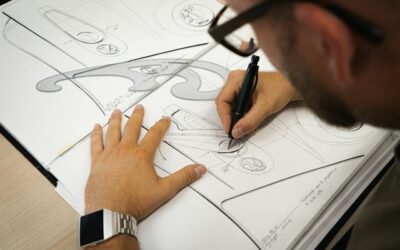
New EUIPO directives: those who are well prepared are stronger
Since 1 July 2026, new EUIPO directives apply to European trademarks and registered EU designs. This entails, among other things, changes for trademarks with...

European Innovation Act: Europe wants to make intellectual property an economic lever
Europe has no shortage of innovation. It is about the ability to convert that innovation into economic value quickly enough. With the new European Innovation Act, the...
Update European rules for design registration
Strong product design is in the details: the shape of a chair, the lines of a handbag, the interface of an app or the silhouette of a coffee machine. These external...
Clear answers to every IP question
What is a design?
A design is the appearance of a creation or a part thereof. To qualify for registration, it must be novel and have its own distinctive character. Examples include a new design of headphones, a watch, a household appliance, a garment or a bag. But the design of your website, a packaging, label, logo and so on can also be protected as a design. The appearance or design includes features such as lines, contours, colours, shape, texture, etc.
How can I protect my design?
You can do so by registering the design rights. A registered design right offers protection for a definite period and in specific geographic areas. A design right can be valid for a maximum of 25 years in the European Union, provided it is renewed every five years. This allows designers to maintain long‑term protection as long as the registration is renewed in good time.
Design protection only applies in the countries where the design is registered. A design registered in the EU, for example, does not offer protection in the United States or China unless a separate registration is made there.
What is a design right and what is it used for?
Design right is an intellectual property right that protects the appearance of a product, such as the shape, pattern or colour of an object. The main purpose of a design right is to protect designers and companies against counterfeiting and copies of their unique designs.
Design rights are often used in sectors such as fashion, furniture, jewellery and consumer products. Examples include the shape of a chair, a unique textile pattern or the specific design of packaging. Companies register their designs to ensure that competitors cannot reproduce them.
The protection applies only to the appearance of a product, not to its technical functions. It is important the design is novel and original to qualify for protection.
How does the design registration procedure work?
A design registration procedure begins with filing an application with a competent authority, such as the European Union Intellectual Property Office (EUIPO) or a national authority. The application must contain a clear description and images of the design.
The registration procedure comprises the following steps:
- Preparation of the design: Ensure that your design is novel and original.
- Filing the application: File your application with the relevant authority.
- Payment of fees: Pay the required registration fees.
- Assessment: The authority assesses whether the design meets the requirements.
- Registration and publication: If the design is approved, it is registered and published.
The application procedure can take several weeks to months, depending on the authority and the country where the registration takes place.
Does protection for unregistered designs also exist?
Protection for unregistered designs also exists. This protection is granted automatically when a new design is made public for the first time within the European Union. However, the protection for unregistered designs is limited in time and scope. It offers protection for a maximum of three years and applies only for direct copies.
Advantages:
- No registration required.
- Immediate protection upon disclosure.
Disadvantages:
- Shorter protection period.
- Less extensive protection than registered designs.